
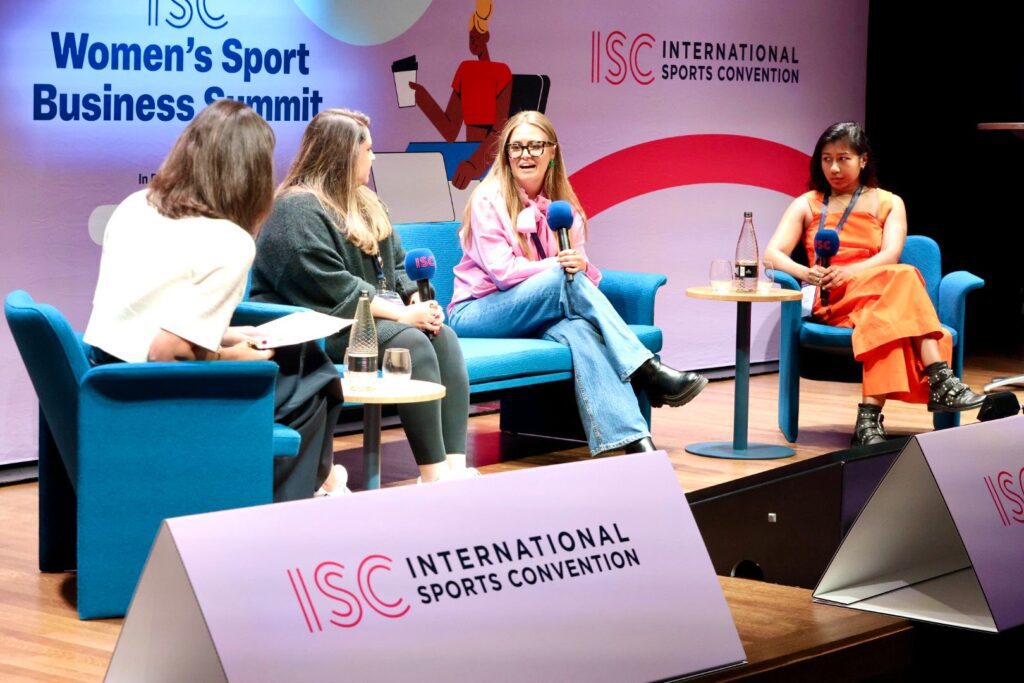
- Komal Patel, European Sports & Entertainment Partnerships Director – Unilever
- Ellie Cross, Senior Marketing Manager – Starling Bank
- Tara Parashar, Senior Strategist – Ear to the Ground
Sponsorship of women’s sport has become a more commercially powerful exercise in recent years. Now, it needs to be better tailored to its audiences.
According to Unilever’s Komal Patel, women’s sport accounts for much of the potential upside in sponsorship over the next decade. The group has tailored its portfolio to match, with sponsorship of major women’s football events complemented by a deal with the International Cricket Council for its global tournaments – including the flagship ICC Women’s Cricket World Cup, which gets underway in India this month.
Starling Bank has been active in women’s football sponsorship since 2022, with a strategy that taps into every layer of the ecosystem. That includes grassroots partnerships fronted by Lionesses great Jill Scott, a front-of-shirt sponsorship deal with WSL2 team Southampton, and a new alliance at the top of the game with European champions Arsenal.
Along with coverage, those deals are designed to help Starling build trust in women’s football – a critical metric for a banking brand. That means laying the foundations for a lasting presence – thinking in terms of the next ten years, rather than just the next campaign. And it also demands a meaningful contribution: Starling is supporting initiatives to train more female coaches, and get more scouts to watch promising players in grassroots games.
As Ear To The Ground’s Tara Parashar explained, fans of women’s sport have built community spaces independently of brands and do not need sponsors to be there. For brand partnerships to be effective, companies must listen to those fan groups and understand where they can help improve their experience.
Savvy younger fans, Parashar noted, are well attuned to attempts to badge up partnerships or token extensions of men’s sport sponsorships. In that environment, cynicism or complacency can only backfire.
For Patel, that means campaigns that resonate must start with the consumer. They must also move beyond preconceptions about women’s sport fanbases – which are more evenly split between genders than many expect.
Parashar added that brands should also take that as a cue to move past “patronising”, CSR-led messaging and grasp the true commercial opportunities.
For Patel, brands can harness a trend where women’s sports fans follow individual athletes more intently and personally – engaging with their lifestyle interests as well as their professional journeys.
It is important, Cross added, to remember that women’s sports fandom has grown with social media. That shapes expectations and modes of expression, as well as creating more opportunities. Parashar explained that athletes who talk about their lives as well as their careers activate the recommendation algorithms of social networks, helping them reach broader and more diverse audiences.
The women’s sports sponsorship sector is still evolving rapidly, Patel said, with male and female sport at very different stages of their development. Women’s sports partnerships deliver commercially for Unilever and its retail partners. But there is still work to come in developing metrics that showcase their value on their own terms, and in educating businesses internally on what returns are possible.
Still, this is a long-term play. The message from fans and the market, Parashar suggested, is that women’s sport sponsorship is less about a quick awareness hit, and more about building real affinity over time.