
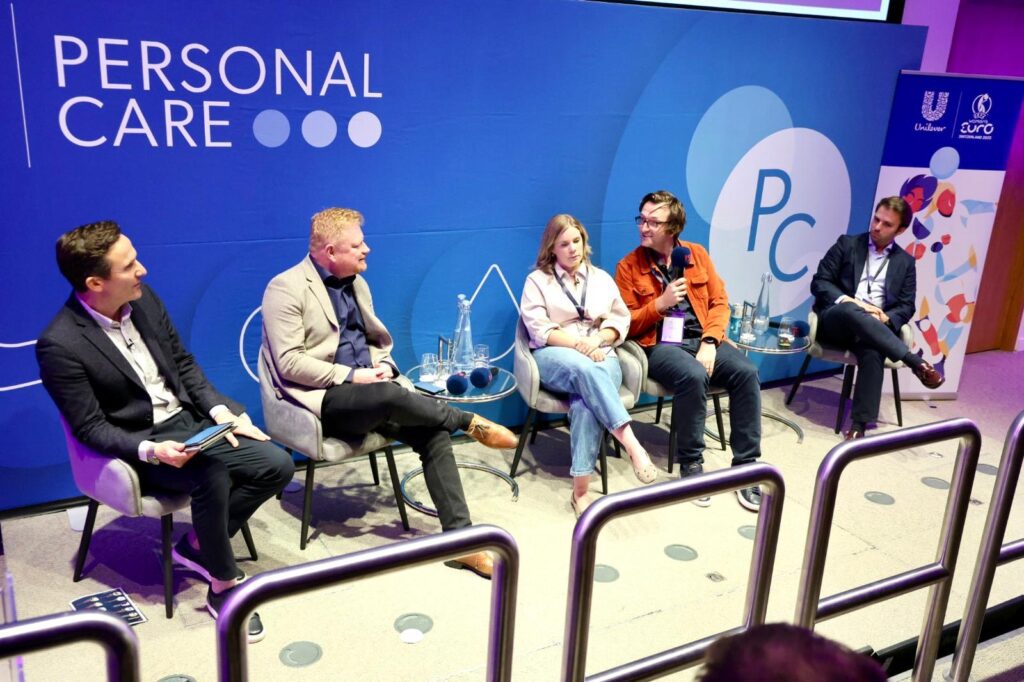
Sam Feasey, Global Sports Marketing Manager – Diageo
Emily Heath, Global Brand Director, Rexona/Sure – Unilever
Paul Hiskens, Head of Assets, Sponsorships and Partnerships – Coca-Cola European Partners
Álvaro García Sampere, Europe Sponsorships & Partnerships Manager – TCL
Sports sponsorship brings the interests of teams and leagues together with those of brands – in what can be a complicated equation.
Still, sport offers a vast canvas for sponsors needed to execute against their particular targets.
Guinness is among the most recognisable beer brands in the world but recent partnerships have given it the chance to explore new markets. Its sponsorship of the Premier League – according to Diageo Global Sports Marketing Manager Sam Feasey – offers enormous international reach while taking it further into fan communities, and is well-timed after the launch of the alcohol-free Guinness 0.0 line.
Coca-Cola is even more ubiquitous worldwide. But as confirmed by Paul Hiskens – Head of Assets, Sponsorships and Partnerships at Coca-Cola European Partners – its massive multi-brand operation still has to keep selling, especially in a hyper-competitive environment like FMCG. Its overall sports sponsorship strategy, then, must address its long-term brand-building needs alongside noisier immediate-term commercial demands.
“What are you doing for today,” Hiskens said, “and what are you doing for tomorrow?”
Chinese-owned electronics brand TCL must address a more straightforward need through its partnerships: growing awareness in unfamiliar markets. Álvaro García Sampere, its Sponsorships and Partnerships Manager for Europe, explained that as a younger brand it placed a higher premium on visibility – something it has pursued through high-level deals with the likes of the IOC, Arsenal and Conmebol.
For all of these brands, sport offers a very particular upside. As Unilever’s Emily Heath put it, sports fans can be especially receptive to brand messaging at a point where they are passionately engaged – but only if those sponsors can add something positive to the experience.
That means brands must properly understand the inner workings of sports and fan communities. In doing so, they can uncover fresh potential. A central reason for Unilever’s interest in women’s football, Heath explained, was that the space that is open to different stories and conversations on different media channels from other established sports.
Women’s football has also influenced an important element of Coca-Cola’s UK sponsorship strategy. While it has a headline deal in place with the Premier League, it is also signing with clubs on an individual basis – in part because its value growth in football will come via the women’s game, and that is being driven most strongly by teams.
At Diageo, individual team partnerships offer room to experiment in women’s football from another angle. The Guinness 0.0 brand is now its fastest-growing beer and the lead product for its sponsorship of rugby union’s Six Nations Championship. It is also driving more inclusive messaging. But Women’s Super League trials where fans can drink alcohol within sight of a football pitch will offer a unique point of comparison at Premier League grounds like the Emirates Stadium.
Sports sponsorship can sustain a range of different approaches if, as Hiskens suggested, brands are relentless in coming back to their specific objectives. And it can support a breadth of objectives within the same brand association.
At Guinness, Feasey revealed, the team talks about “fast culture and slow culture”. It is important to stick to the brand’s core values and return to spaces where it has a strong heritage, as in rugby union. At the same time, it is also be ready to engage at a local level, where culture is moving much quicker.
That can be impossible from a top-level brand messaging viewpoint but, again, sports sponsorship can be a forum to explore those dynamics through fan communities. Feasey pointed to Guinness storytelling involving Arsenal supporters’ groups in London and Africa – who share a sense of belonging but express it on their own terms.